


Espresso makers, as one of the most important tools in the world of coffee fans, play an important role in making a cup of high quality coffee; So that these attractive devices have become an essential element in many homes and workplaces.
Types of home and industrial espresso makers each have their own features and capabilities, and due to the increase in people’s interest in specific coffee and its various methods, it is essential to properly use industrial or home -made espresso makers.
Also, you can get help with the Star Espresso Troubleshooting Guide to fix your espresso machine problems. In this part of the star we are going to address the following:
Investigating how the espresso maker scaling
Essential sedimentation of espresso -maker
Benefits of using vinegar for sedimentation espresso maker
Espressozer Disruption Steps with Vinegar
Important Tips in Espresso Separation
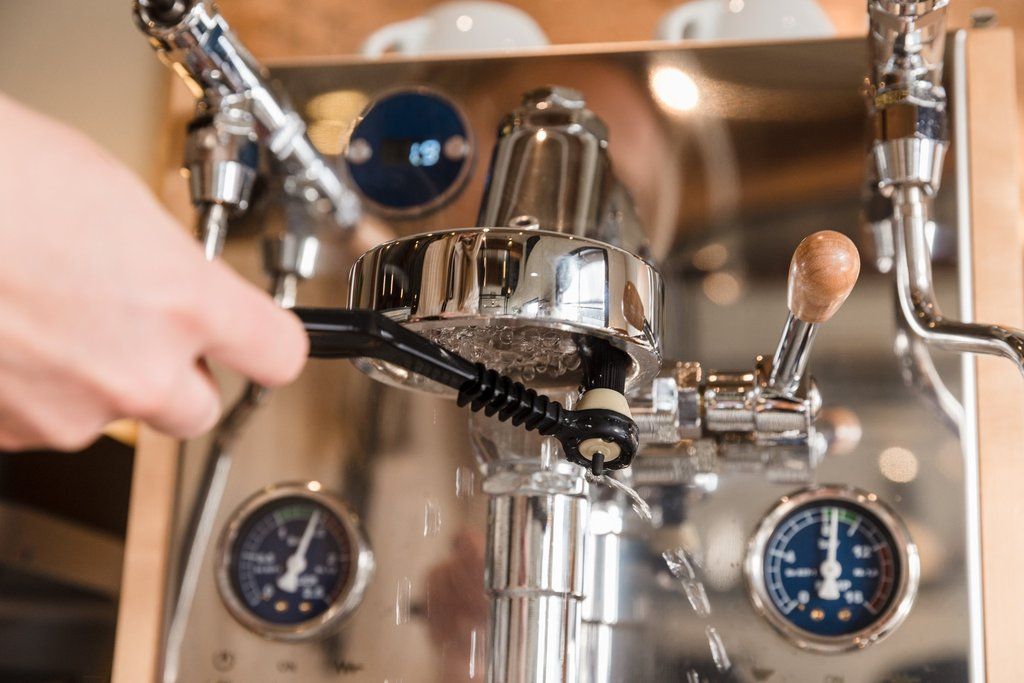
Why is the espresso deterioration necessary?
Espressozer sedimentation is important for the following reasons:
1. Extension of the life of the device
Over time and the accumulation of bacteria and sediments in the espresso maker tank, these creatures can damage the internal components of the machine. Home or industrial espresso scaling can help extend the life of the device.
2. Maintain the taste of coffee
The accumulation of mineral sediments and contaminants in the machine can change the taste of coffee. Regular sedimentation helps maintain the original taste.
1. Improves espresso function
After scoring the home or industrial espresso machine, you will find that the optimal pressure and temperature are created for coffee extraction.
Also, to find the best water for your espresso maker, you can find the right water guide for the star espresso maker.

The benefits of scaling espresso maker with vinegar
The use of vinegar to scalp the espresso maker has the following advantages:
A natural and non -cache method: Vinegar is a natural substance that is not harmful to the environment and is easily accessible.
Reduce costs: The use of vinegar to scare the espresso maker, instead of expensive chemicals, reduces costs.
Easy Application: The vinegar sedimentation process is easy for the espresso maker and does not require any special skill.
Espressozer Disruption Steps with Vinegar
If the water does not get out of the machine, it is best to read the water from the star’s espresso maker and if you want to scare your device, do the espresso -derived steps with vinegar:
Step 2: Preparation of the espresso maker
Before starting, turn off the espresso maker and separate from the electricity. Also, empty the water tank and remove the detachable parts such as filters and tanks.
Step 2: Preparation of vinegar solution
It is best to use white vinegar or apple cider vinegar to scare the Delonghi espresso maker or the namug (or other brands). To prepare the solution, combine the ratio of 1: 1 vinegar and water. For example, if you use a glass of vinegar, add a glass of water.
Step 2: Filling the water tank
Pour the prepared solution into the espresso water tank. Be careful not to fill the tank too much.
Step 2: Setting up an espresso maker
Turn on the device and allow the vinegar and water solution to pass through the machine. This process usually takes about 1 to 2 minutes. At this time, you can hear the sound of the device that indicates its proper performance.
Step 2: Washing the device
Once the espresso -maker is finished, empty the tank and wash it with ordinary water. Then, rinse the machine several times with pure water to keep no trace of vinegar. This will help prevent the taste of coffee.
Step 2: Cleaning the detached parts
Rinse the pieces you have separated from the machine with soap and water solution. This will help eliminate coffee remains and other contaminants.
Step 2: Drying and assembling
After washing, dry all the pieces well and then connect them to the machine again. Now your espresso maker is ready to use.

Important Tips in Espresso Separation
To maintain the quality of the coffee and the performance of the machine, it is recommended to follow the espresso scaling:
Make scaling or sedimentation every 2 to 6 months.
If the water is difficult to live, using soft or filtered water will help reduce sedimentation.
Try to use natural methods such as vinegar instead of rough chemicals.
Also, if your device’s pump has a problem, you can get help from the Star Espresso Pump Development Guide.