
Interior Design Basics: A Complete Beginner’s Guide
Stepping into a well-designed space often feels instinctively comforting—balanced, intentional, and deeply personal. This guide to interior design fundamentals breaks down the core principles used by professional designers and architectural practices in Melbourne, helping beginners understand how thoughtful decoration transforms everyday spaces into functional, visually harmonious environments.
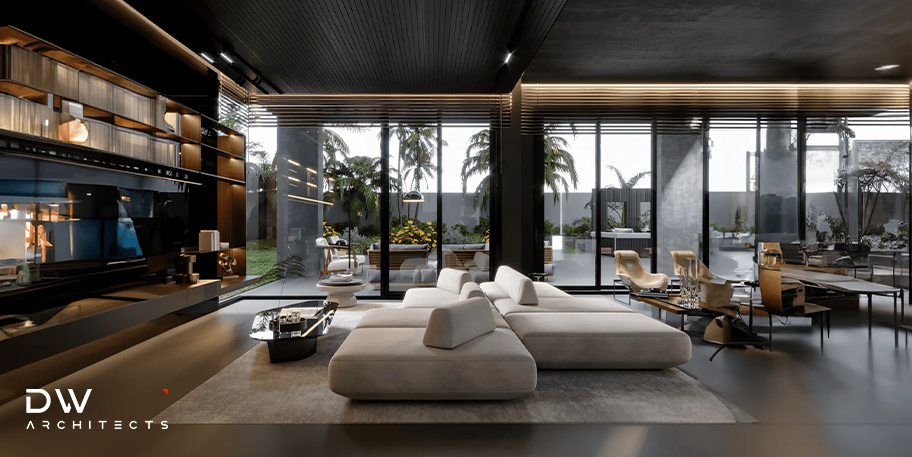
Rather than being driven purely by visual appeal, interior design brings together spatial organisation, colour balance, lighting techniques, and material choices to shape environments that enhance everyday living and overall wellbeing. experienced firms such as DW Architects, a leading architecture firm Melbourne, apply these principles in real projects to achieve both functionality and refined visual outcomes. Backed by widely accepted design principles used in the industry, this guide offers a practical, experience-informed approach to decorating with confidence.
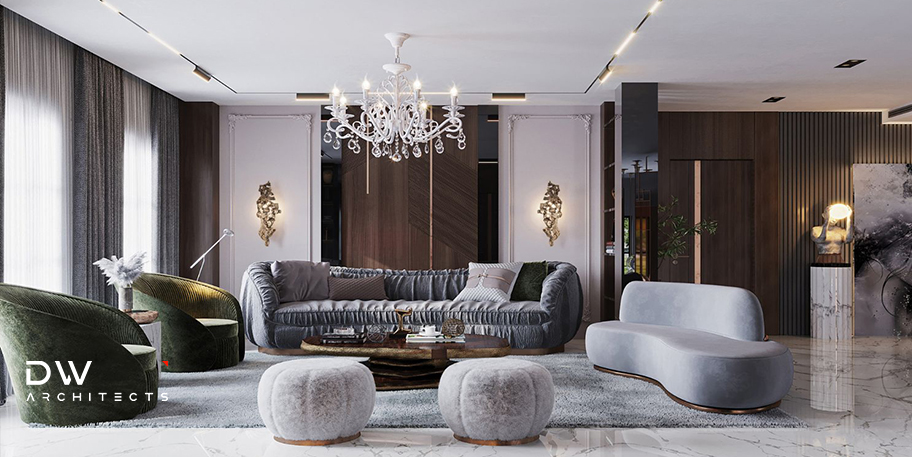
Whether you’re working with a small apartment or a larger home, you’ll learn how to assess your space, choose cohesive colour palettes, and arrange furniture in a way that enhances flow and usability. The goal is to equip you with reliable, actionable knowledge so you can design interiors that feel intentional, comfortable, and uniquely yours.
Interior Design Overview
Interior design can be understood as the thoughtful orchestration of indoor environments where structure, atmosphere, and human interaction intersect. It is not limited to decoration, but involves shaping spatial relationships, material choices, and visual flow to support everyday living in a more meaningful way. Rooted in long-standing artistic and architectural traditions,
the discipline has evolved through changing cultural values and technological progress. In contemporary practice, attention is given to how light behaves in a space, how materials respond to touch and time, and how movement is experienced within a room. The result is a carefully composed environment where practicality and sensory quality are developed in parallel.
Interior Design Meaning and Core Principles
Interior design is the strategic process of planning and shaping indoor environments to improve both functionality and visual harmony. It is not limited to decoration; instead, it combines spatial planning, structure, and aesthetics to create well-balanced and efficient living or working spaces.
Unlike interior decorating, which mainly focuses on surface appearance, interior design considers the deeper layout of a space, including proportions, architectural structure, and spatial flow. Designers carefully work with elements such as vertical and horizontal balance, geometric structure, natural shapes, and visual weight to achieve a cohesive result.
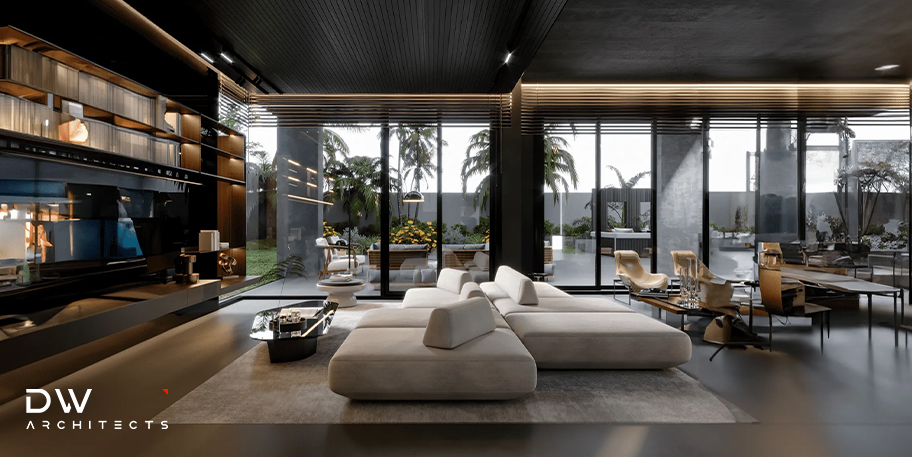
A professional interior design approach also integrates lighting design, furniture arrangement, color coordination, and material selection to enhance usability and comfort. The goal is to create environments that are not only visually appealing but also practical, improving daily living through better organization, optimized space usage, and enhanced atmosphere.
Principles of Interior Design
Interior design relies on a set of foundational concepts that guide how spaces are composed and experienced. These underlying ideas help shape relationships between objects, surfaces, and spatial volumes so that interiors feel intentional rather than arbitrary. Instead of treating elements in isolation, the focus is on how they interact to produce visual coherence and functional clarity.
Consideration is given to structure, repetition, scale, and continuity, allowing different components to work together as a unified whole. When thoughtfully applied, these guiding ideas result in environments that feel naturally ordered, comfortable to navigate, and visually cohesive.
Balance and Harmony in Interior Design
Balance in interior design refers to how visual weight is distributed within a space to create a stable and comfortable feel. It can be achieved through symmetrical layouts, asymmetrical arrangements, or radial designs that organize elements around a central focal point. Harmony focuses on unifying all design elements so they feel connected and consistent.
This is done by coordinating colors, materials, textures, and furniture styles to ensure the space looks cohesive and well organized. When balance and harmony are applied together, they create interiors that feel visually pleasing, structured, and naturally comfortable to experience.
Rhythm in Interior Design: Creating Flow and Movement
Rhythm in interior design refers to the visual flow that guides the eye smoothly across a space. It helps create movement and prevents a room from feeling static or disconnected. This principle is achieved through repetition of colors, patterns, shapes, or textures, as well as progression where elements gradually change in size or intensity.
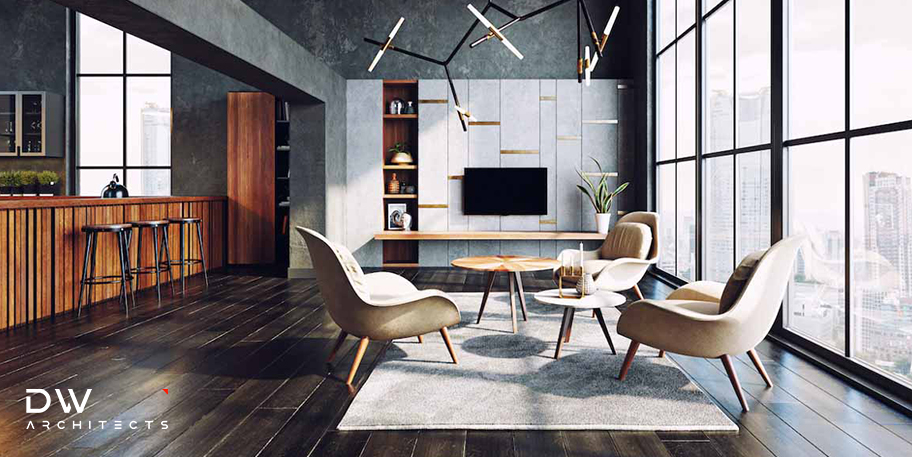
Contrast between different styles and materials also adds energy, while transition elements like arches, lines, or aligned features help the eye move naturally through the space. When rhythm is applied correctly, it brings continuity and visual interest, making interiors feel more dynamic, balanced, and engaging.
Interior Design: Understanding Proportion and Scale
Proportion and scale are key concepts in interior design that ensure a space feels balanced and visually comfortable. Proportion describes how different objects relate in size to one another, while scale refers to how furniture and decor relate to the size of the room and the human body. When these elements are not considered properly, a room can feel either overcrowded or empty.
In professional practice, interior architects melbourne carefully apply these principles to ensure every element fits harmoniously within the overall design. For example, oversized furniture in a small space can make it feel cramped, while very small pieces in a large room may look disconnected and ineffective. Using correct proportion and scale helps create interiors that feel natural, functional, and well-balanced, improving both comfort and overall visual appeal.
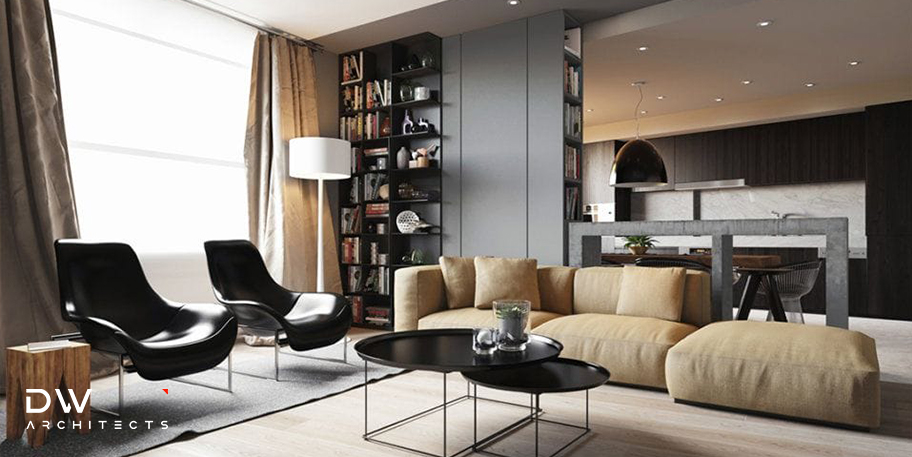
Focal Point in Interior Design: Emphasis and Visual Focus
Within an interior environment, certain elements are intentionally positioned to establish hierarchy and visual orientation, guiding how the space is perceived and navigated. These elements may emerge through contrast in scale, material expression, illumination, or spatial placement, allowing the eye to naturally settle on a dominant area within the composition.
Rather than functioning as isolated decorative features, they act as structural reference points that influence how surrounding components relate to one another. When this visual hierarchy is clearly defined, the entire space gains coherence, making the arrangement feel more deliberate, readable, and spatially unified.
Color Theory in Interior Design: Creating Mood and Atmosphere
Color plays a fundamental role in interior design, influencing the overall mood, perception, and energy of a space. The thoughtful use of color can make a room feel calm, vibrant, spacious, or intimate depending on the chosen palette. By applying basic color theory, designers can create visual balance and highlight specific areas within a room.
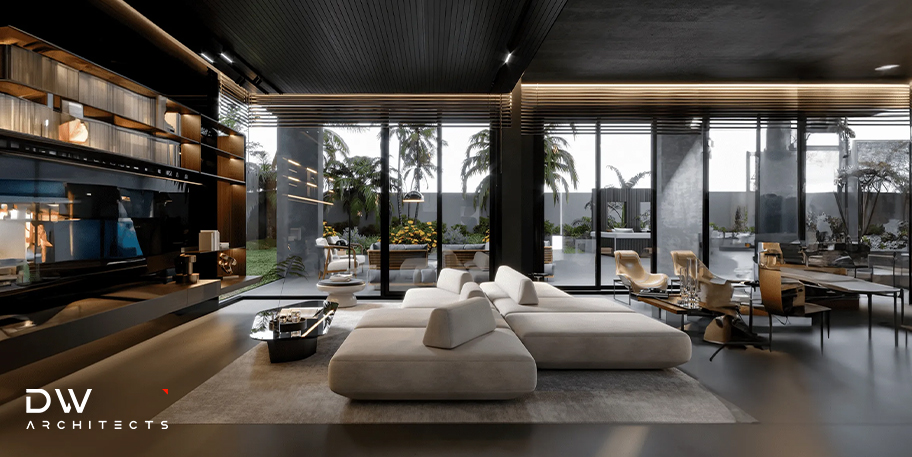
Warm tones often bring energy and warmth, while cool shades promote relaxation and a sense of openness.Effective color coordination also helps unify furniture, walls, and decor, ensuring the interior feels cohesive, intentional, and visually appealing.
Interior Design Color Theory: Psychology and Application
Color in interior environments functions as a powerful spatial tool that shapes how a room is experienced beyond its physical structure. It influences emotional response, visual depth, and the perceived scale of a space, allowing designers to subtly guide attention and atmosphere. Rather than being applied as decoration alone, color is often distributed strategically across surfaces to modify how proportions are read and how light interacts with the interior. Through careful gradation and contrast, spaces can feel more expansive, grounded, or dynamically layered, resulting in a more refined and perceptually balanced environment.
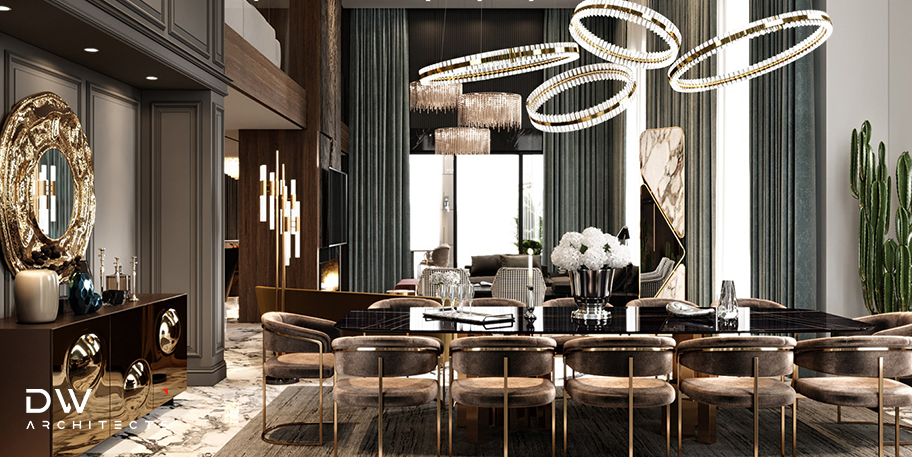
Understanding the color wheel is also essential. Complementary colors sit opposite each other and create strong contrast, while analogous colors sit next to each other and produce a more calm and unified look. Color psychology further guides design decisions, as different hues can affect emotions—blue often feels calming, while yellow adds energy and brightness. Using these principles correctly helps create interiors that are both functional and emotionally balanced.
Patterns and Textures in Interior Design: Creating Depth and Style
Surface treatment in interior environments plays a crucial role in shaping visual complexity and sensory depth beyond form alone. Variations in material grain, weave, finish, and repetition introduce layers of perception that influence how a space is experienced over time. When these qualities are orchestrated with restraint and intention, they create subtle tension and rhythm within the composition, guiding the eye without overwhelming it. This interplay of tactile and visual detail enriches the spatial reading of a room, resulting in an atmosphere that feels nuanced, cohesive, and thoughtfully composed.
Interior Design: How Patterns and Textures Add Depth
Interior surfaces develop visual depth through the interaction of materials with light, texture, and form, creating a more nuanced spatial experience. The combination of natural elements and structured design introduces contrast and rhythm, resulting in interiors that feel layered, cohesive, and visually engaging without unnecessary decoration.
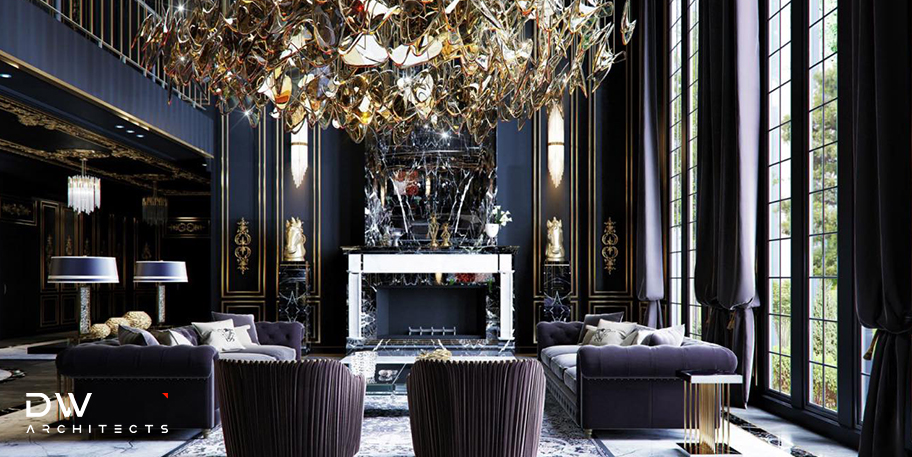
To achieve a balanced look, it’s important to follow a clear theme and combine patterns carefully. A strong or bold pattern can act as a focal point, while smaller or simpler textures support it without overwhelming the space. When used correctly and balanced with lighting and space planning, patterns and textures create a harmonious, stylish, and visually engaging interior.
Home Interior Styling: Creating a Personal and Cohesive Space
Interior decoration is the practice of shaping indoor environments through the thoughtful coordination of form, colour, light, and material to achieve visual harmony and everyday comfort. Rather than focusing on individual elements in isolation, it considers how each design decision contributes to the overall atmosphere and spatial experience. When thoughtfully combined, these elements create a balanced, cohesive space that reflects personal style while remaining practical and visually inviting.
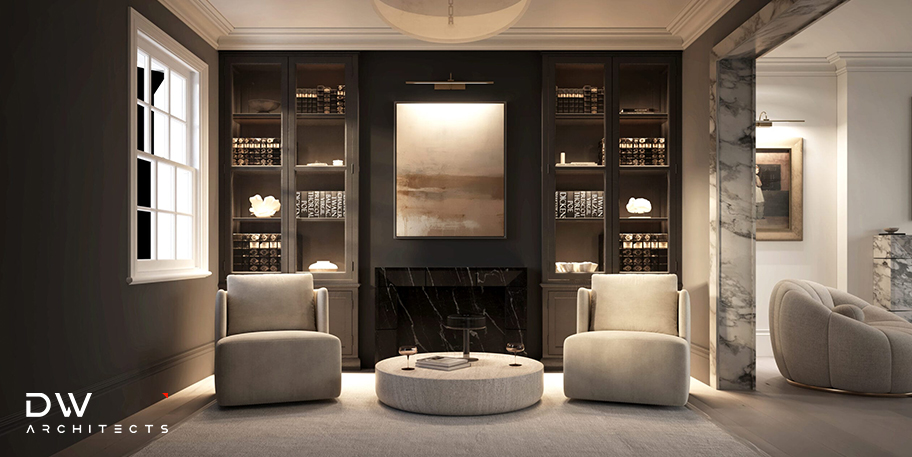
Interior Decorating Guide: Step-by-Step Design Tips for Beginners
Starting an interior decorating project requires careful planning to achieve a balanced, stylish, and functional space. A structured approach helps you avoid mistakes and create a cohesive design that reflects your personality.
1. Set a Clear Budget
Define your spending limit early to prioritize essential items and manage costs effectively throughout the project.
2. Identify Your Design Style
Choose a style that matches your personality by exploring inspiration from magazines, websites, and design platforms to build a consistent visual direction.
3. Plan the Room Layout
Furniture placement should respond to the structure of the room, natural light, and how people move through the space, creating an environment that feels intuitive, functional, and comfortable to use.
4. Select a Color Palette
Pick a harmonious color scheme that supports your style and maintains the desired mood in different lighting conditions.
5. Build from Core Elements
Start with foundational features like walls, flooring, and lighting before adding decorative layers.
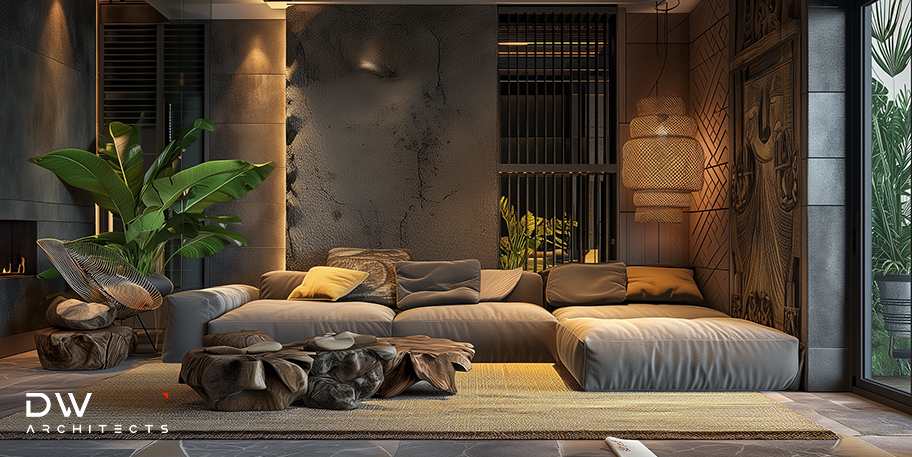
6. Add Personal Details
Personal expression in interiors can be introduced through curated visual elements such as art pieces, layered materials, and decorative objects, adding depth, character, and a sense of lived-in warmth to the environment.
7. Stay Flexible During the Process
Allow room for adjustments as ideas evolve, ensuring the final design feels natural and well-balanced.
This step-by-step approach helps create interiors that are not only visually appealing but also practical and personalized.
Interior Design Summary: Creating a Balanced and Functional Space
Interior design is the thoughtful combination of key principles such as balance, harmony, rhythm, proportion, and emphasis to create well-structured and visually appealing spaces. These elements work together to ensure that a room feels both cohesive and comfortable. Color, patterns, and textures also play an important role in shaping mood and adding depth to the overall design. When used correctly, they enhance the atmosphere and bring personality into the space.
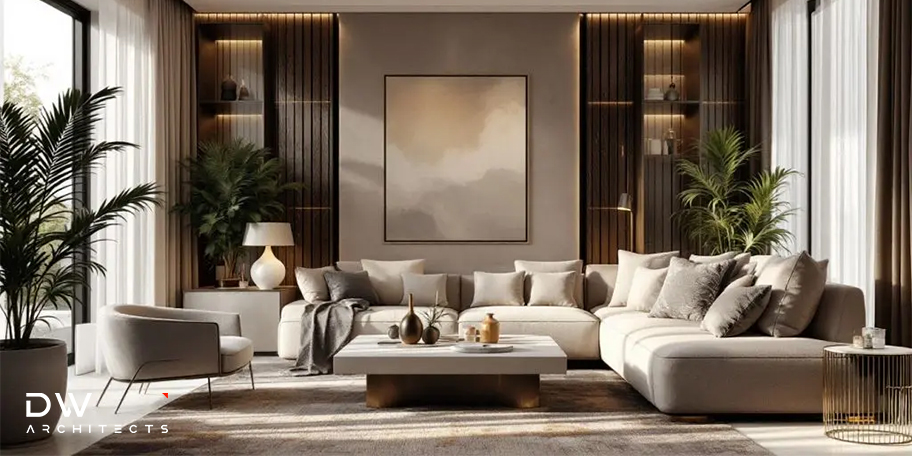
By understanding how lines, forms, and spatial arrangements interact, you can design interiors that are not only practical but also reflect your personal style and daily lifestyle needs.
DW Architects Melbourne: Residential & Commercial Architecture Studio
https://dwarc.com.au is a professional architecture and interior design firm based in Melbourne, offering tailored solutions across residential, commercial, and apartment projects. Recognised among leading architects melbourne residential, the studio delivers high-quality services in residential architecture, townhouse design, and apartment developments, with a strong focus on functionality, aesthetics, and sustainability.
Their work combines modern design thinking with practical planning to create spaces that suit contemporary living in Melbourne CBD and surrounding suburbs. As one of the best architects in Melbourne, DW Architects provides complete design services from concept to completion, including interior architecture, planning, and project delivery for both residential and commercial developments.