


Magnesium deficiency may be a hidden factor in depression, as it is the key to regulate the activity of the nervous system and the balance of nerve transmitters such as serotonin and GABA that control mood.
Research shows that magnesium deficiency can increase stress, chronic inflammation, and disorder in the hypothalamic-hyperopoid axis and cause symptoms such as fatigue, anxiety, and irritability that overlap with depression. Magnesium supplements, especially high absorption types such as magnesium glycins, can be effective in reducing the symptoms of depression, but should be used with proper diet and other therapies. Despite the initial positive evidence, further research is needed to fully confirm this relationship, and it is recommended to consult a physician or nutritionist if doubt.
Depression is one of the most common mental disorders that affects millions of people with symptoms such as continuous sadness, inattention to daily activities and fatigue. Although genetic factors, stress, and hormonal changes are involved, magnesium deficiency may be effective as a less recognized hidden factor. Magnesium is essential for more than 5 biochemical reactions of the body, including regulating the nervous system. Research shows that its deficiency can disrupt the balance of neurotransmitters such as serotonin and gamma aminobutricic acid (GABA) and lead to depression. Here’s a look at this relationship and its management strategies.
The role of magnesium in mental health
Magnesium is a key cofactor in many biological processes that directly affects mental health. This mineral helps regulate the activity of hypothalamus-anodity-adrenal (HPA) that is responsible for responding to stress. Magnesium also contributes to the synthesis and function of neural transmitters such as serotonin, which improves mood and GABA, which has calming effects. Magnesium deficiency can disrupt this balance and lead to symptoms such as anxiety, irritability, and depression. Epidemiological studies have shown that the low levels of magnesium are more common in the blood of people with depression, especially in mild to moderate cases. However, this connection has not yet been fully approved and requires further research.
Magnesium also helps reduce inflammation in the body, which in recent years has been recognized as one of the potential factors in depression. Chronic inflammation can affect the brain and disrupt the production of neurotransmitters. Therefore, magnesium deficiency may act as a lost ring in the puzzle of depression, especially in people whose symptoms are not explained alone with psychological or genetic factors.
Symptoms of magnesium deficiency and its association with depression
Magnesium deficiency can cause symptoms that overlap with depression. These symptoms include the following:
Fatigue, general weakness, and reduced energy, often seen in depression.
Muscle cramps and spasms that can disrupt sleep and increase stress.
Headache or migraine associated with mood changes.
Irritability and anxiety that can be the background of depression.

Research has shown that magnesium deficiency can lead to hyperactivity HPA activity, leading to overcrowding or stress hormone. This can create a defective cycle as: chronic stress exacerbates magnesium deficiency and magnesium deficiency also increases stress, which eventually leads to depression. Some small studies have also shown that depressed patients have lower levels of magnesium in cerebrospinal fluid that strengthen this.
Magnesium supplements and their role
When the diet is not enough, supplements can be an effective option. There are various types of magnesium supplements, including magnesium citrate, magnesium glycenate and magnesium oxide. Each of these forms has different absorption and effects. Magnesium glycins, for example, is recommended for people with depression and anxiety because of its higher absorption and its sedative effects. Also, magnifort tablets are a popular supplement containing sea magnesium, vitamin B6 and vitamin D3. Vitamin B6 helps the synthesis of neurotransmitters, while vitamin D3 enhances its effectiveness by improving magnesium absorption.
Studies have shown that magnesium supplements can be effective in reducing the symptoms of depression, especially in people with low magnesium levels. However, its effects may take several weeks to make a significant. Supplements should also be combined with a balanced diet to get the best results.
Scientific evidence and studies
Numerous research has been investigated by the relationship between magnesium and depression. A published study in the journal Nutrition found that supplementation of magnesium tablets in patients with mild to moderate depression significantly reduced symptoms significantly. However, these studies have not yet been carried out on a large scale and there is a need for further research to confirm this relationship.
Magnesium food sources
To prevent magnesium deficiency, it is essential to consume food rich in this substance. Some of the best sources include:
Leafy vegetables such as spinach and cabbage
Nuts and seeds of almonds, peanuts and pumpkin seeds
Bean beans, lentils and peas
Whole grains such as brown rice and oatmeal
Fish and seafood such as mucus and shrimp
Bitter chocolate with at least 2% cocoa
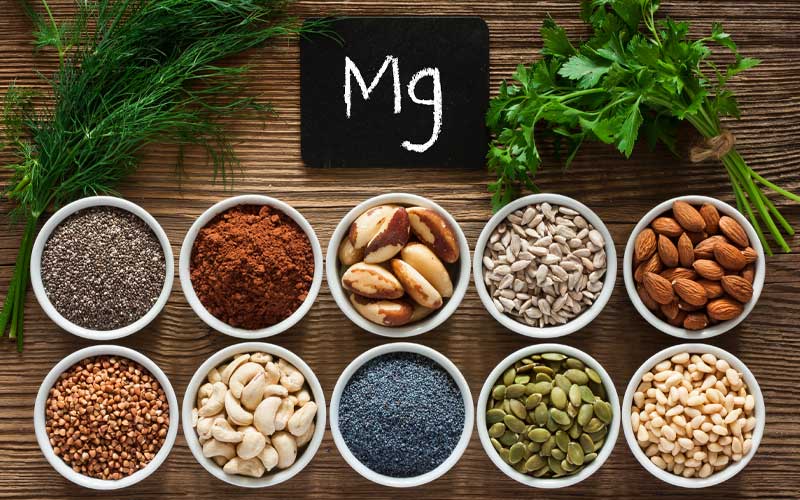
The recommended daily dose of magnesium for adults is 1–2 mg and for women 1-5 mg. However, many people do not achieve this due to a modern diet or specific conditions such as mismanagement.
Factors Affecting Magnesium Deficiency
Several factors can increase the risk of magnesium deficiency:
Unhealthy diet and high consumption of processed foods that have little magnesium.
Diseases such as type 2 diabetes, Crohn’s disease or intestinal malfunction.
Some medications, such as diuretics and antibiotics, can increase magnesium excretion.
Chronic stress that increases the consumption of magnesium in the body.
Alcohol consumption that can disrupt magnesium absorption.
Magnesium deficiency may act as a hidden factor in depression, but that does not mean that the only cause is the disorder. Early scientific evidence suggests that compensation for magnesium deficiency through diet or supplements such as magnifort pills can help improve mood and reduce the symptoms of depression. However, this approach should be combined with psychological treatments, stress management and healthy lifestyle to achieve sustainable results. If you feel that magnesium deficiency may affect your mental health, consult a nutritionist or physician to design a personalized program for you