

Turkey is often described as an affordable place to study, and compared with the UK, the US or much of Western Europe, that is true. But affordable does not mean free, and many students arrive with a budget that only covers tuition. This guide breaks down what studying in Turkey really costs in 2027, from tuition to rent, so you can plan with realistic numbers rather than hopeful guesses.
Tuition: state and private universities are two different worlds
The biggest factor in your budget is the type of university. State universities charge international students modest fees set each year by the university, and they are among the most affordable options in Europe and the Middle East. The catch is admission: places are limited and competitive, and most state universities select students based on exam results or their own admission criteria.
Private universities charge considerably more, but they admit most students on the basis of their high school grades and often offer partial or full scholarships. For many students the real cost difference is smaller than the headline fees suggest once a scholarship is applied. Our comparison of private vs state universities in Turkey explains when each option makes more sense.
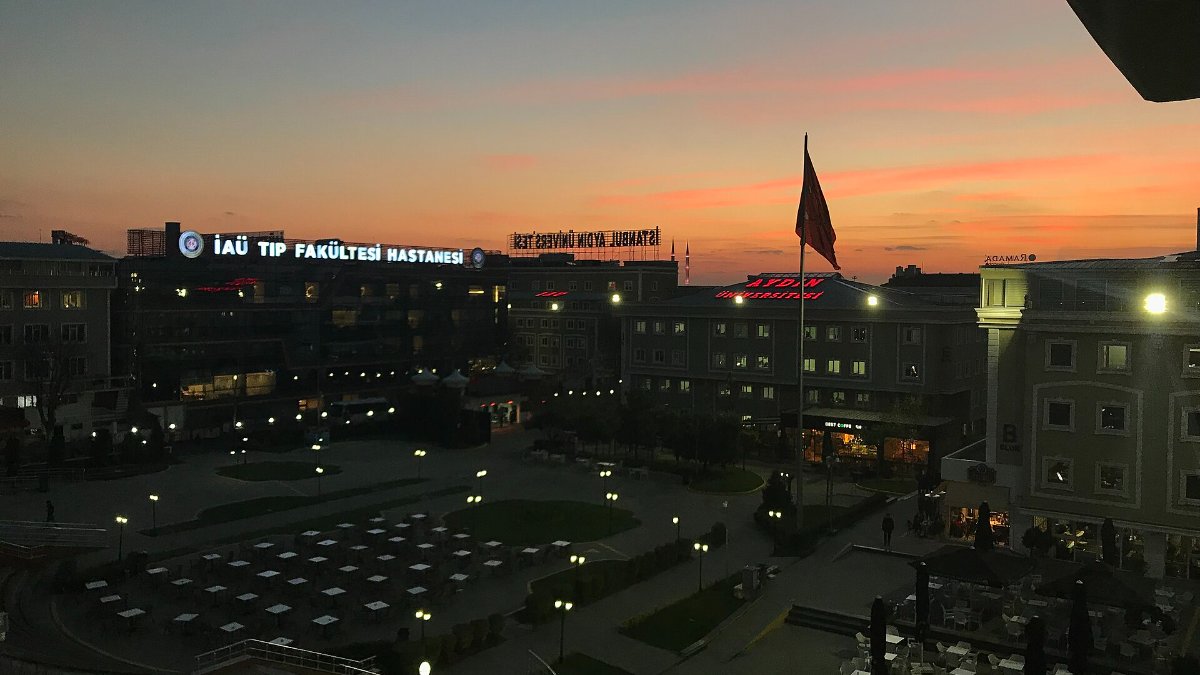
Photo: Chella, Wikimedia Commons, CC BY-SA 4.0
Typical tuition ranges at private universities
At established private universities in Istanbul, engineering, business and social science programmes taught in English commonly cost a few thousand to several thousand US dollars a year. Health programmes cost more, and English-taught medicine and dentistry sit at the top of the scale, often above twenty thousand dollars a year. For example, published fee lists for Istanbul Aydın University show English-taught engineering programmes in the mid single-digit thousands and medicine at around twenty-five thousand dollars a year.
If cost is your main concern, it is worth looking beyond Istanbul. Universities in Ankara, Izmir and smaller cities often charge less, and living costs there are lower too. Our list of the cheapest universities in Turkey is a useful starting point.
The preparatory year many students forget
If you do not have an accepted English or Turkish language certificate, you will usually spend a preparatory year before starting your degree. At some universities the English preparatory year costs the same as a year of the main programme, so it can add a full year of tuition and living costs to your plan. Taking a recognised language test before applying is often the cheapest way to save money.
Accommodation: the biggest variable
Rent is where budgets most often go wrong, especially in Istanbul. State dormitories are the cheapest option but have limited places. Private dormitories near campus are more expensive but include utilities and sometimes meals. Sharing a flat with other students is a popular middle ground, but you will need to pay a deposit and an agency fee up front.
Location matters as much as the type of housing. A room in a district close to a suburban campus can cost far less than a flat in central neighbourhoods. Before you sign anything, check how long the commute to campus will take by metro or bus.
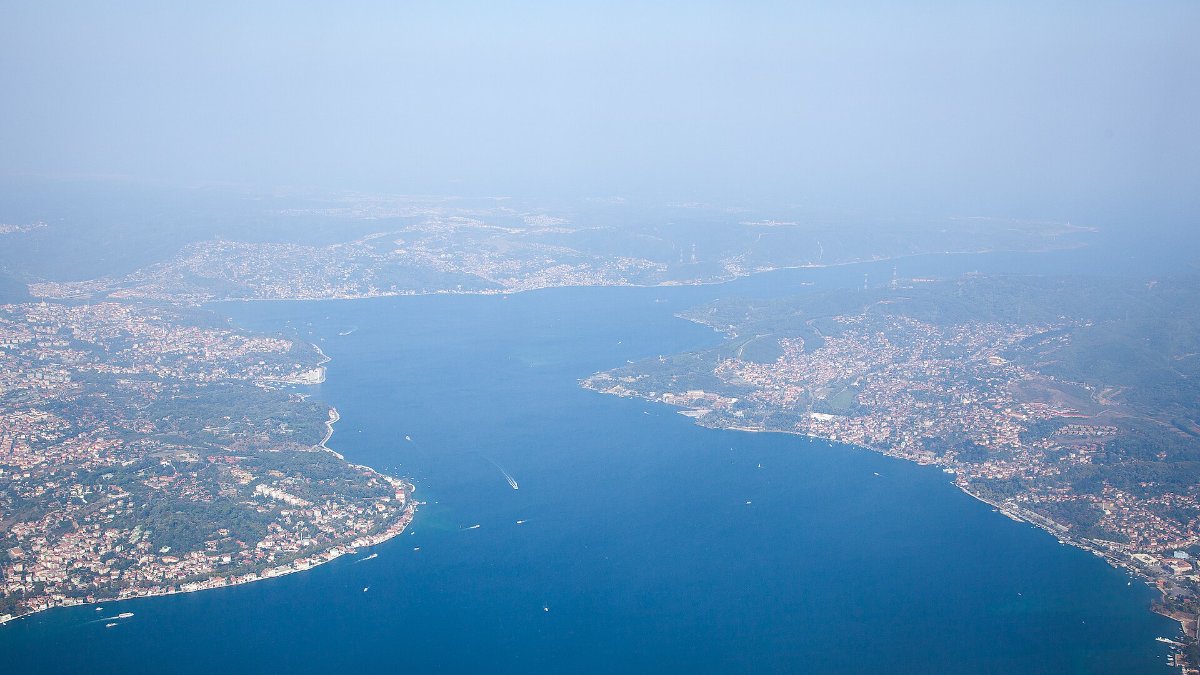
Photo: Sergey Ashmarin, Wikimedia Commons, CC BY-SA 3.0
Everyday living costs
Food is affordable if you shop at local markets and discount supermarkets and eat at simple local restaurants. Public transport in big cities is efficient and cheap with a student card. Mobile phone plans are inexpensive, although phones bought abroad must be registered in Turkey to work with local SIM cards for a long period. Budget a little extra for books, a laptop if you need one, and trips home.
Health insurance and paperwork
International students need health insurance for their residence permit, and the price depends on your age and the level of cover. You will also pay a small fee for the residence permit card and need certified translations of your documents. These costs are not large individually, but together they add up in your first months.
A simple way to build your budget
- Tuition for each year of your programme, plus the preparatory year if you need it
- Accommodation for twelve months, including deposit and fees
- Food, transport and phone
- Health insurance and residence permit fees
- Books, equipment and travel
- An emergency reserve of at least two or three months of living costs
Ways to reduce the cost
Apply early for scholarships, because the best discounts go to students who apply first with complete documents. Ask whether paying the full year in advance brings a discount. Consider universities outside the most expensive districts of Istanbul. And prepare your language certificate before applying to avoid an extra preparatory year.
Education consultants such as Saya Group can help international students compare real costs across universities, apply for available scholarships and avoid surprises after arrival. With a realistic budget and early planning, Turkey remains one of the best-value study destinations in the region.